Historical Swords

Step back in time and immerse yourself in the rich history of bygone eras with our exceptional collection of Historical Swords at TrueSwords.com. Each sword in our collection is a testament to the craftsmanship and artistry that defined the warriors and noblemen of ancient civilizations. Crafted with meticulous attention to detail, our Historical Swords are made from high-quality materials, including high carbon steel blades and beautifully crafted handles, ensuring both durability and authenticity. These swords are inspired by various historical periods and cultures, from the iconic medieval broadsword to the elegant Roman Gladius and the powerful Viking sword. Celebrate the history and craftsmanship of ancient civilizations with our Historical Swords, and bring a piece of the past into your present.
HISTORICAL SWORDS FAQS
- Are the historical swords functional or decorative?
Many of our historical swords are fully functional, crafted for cutting practice, reenactments, or martial arts. We also offer swords that are primarily decorative, intended for display purposes. Check the product descriptions for specific details about functionality. - What materials are used in the construction of historical swords?
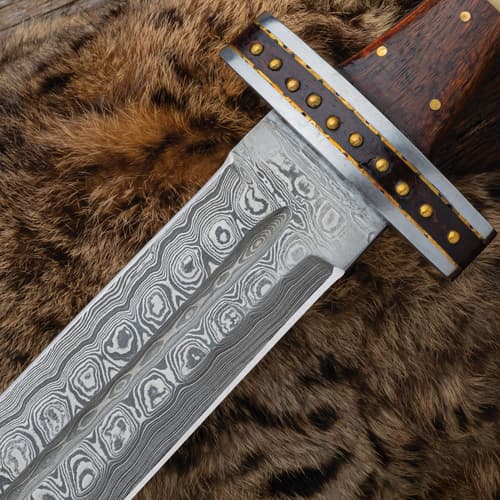
Our historical swords are crafted from high-quality materials such as high carbon steel, stainless steel, and premium alloys for the blades. Handles may be made from wood, leather, metal, or other durable materials, ensuring both authenticity and durability. - How do I care for and maintain my historical sword?
To maintain your historical sword, regularly clean the blade with a soft cloth to remove fingerprints and moisture. Apply a light coat of oil to the blade to prevent rust. Store the sword in a dry place, away from direct sunlight and humidity, to preserve its condition. - Are these swords historically accurate?
Many of our historical swords are designed to closely replicate the original weapons from specific historical periods. They capture the authentic design, balance, and details that made these swords iconic in their time. - What type of sword did the Crusaders carry?
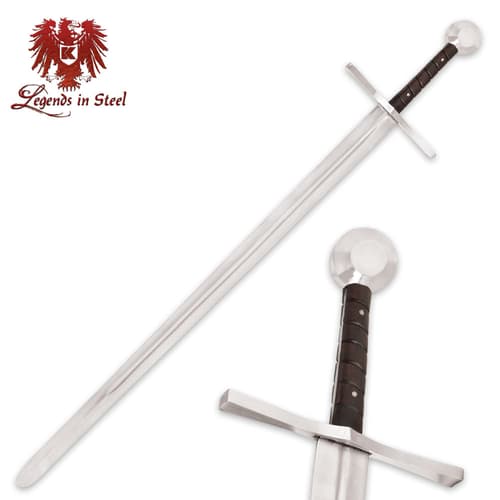
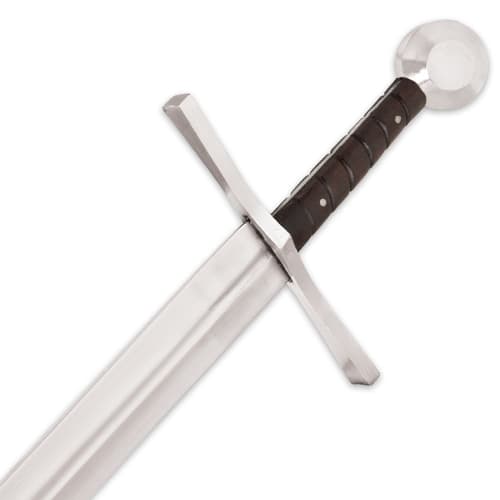
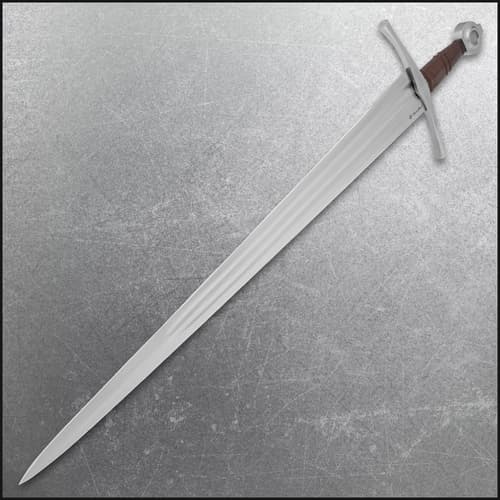
Crusaders commonly carried swords that have become known as “cruciform” swords because they bear the shape of the cross, which may have been a symbolic nod to the objective of liberating the holy land. More specifically, a type of terminology applied to crusader swords is called “Oakeshott” terminology; many crusader swords were Oakeshott types X, XI, and XII swords, all of which had a square crossguard that made the weapon look like a cross. - What swords and weapons did Vikings carry?
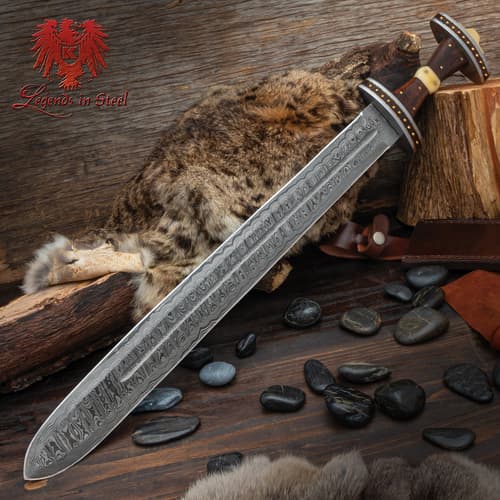
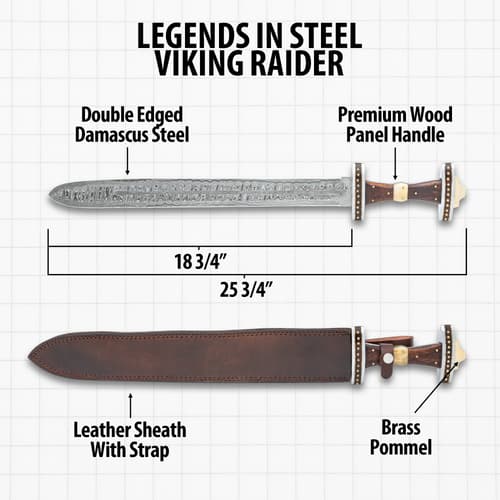
The Norsemen carried and used many different types of weapons, some of them swords, but many of them utilitarian, like axes. Swords carried by the Norsemen were commonly referred to as Carolingian or Viking swords and were typified by a short hilt with a small crossguard and pommels that had either three or five rounded lobes. A common pattern of knife or short sword from Northern Europe is called a Seax sword (also known as a sax), which had a straight edge and a spine that sloped down to meet it. Their utilitarian design indicates that they may have been used as tools as frequently as they were employed as weapons.