Combat Techniques Using a Viking Sword
Combat Techniques Using a Viking Sword
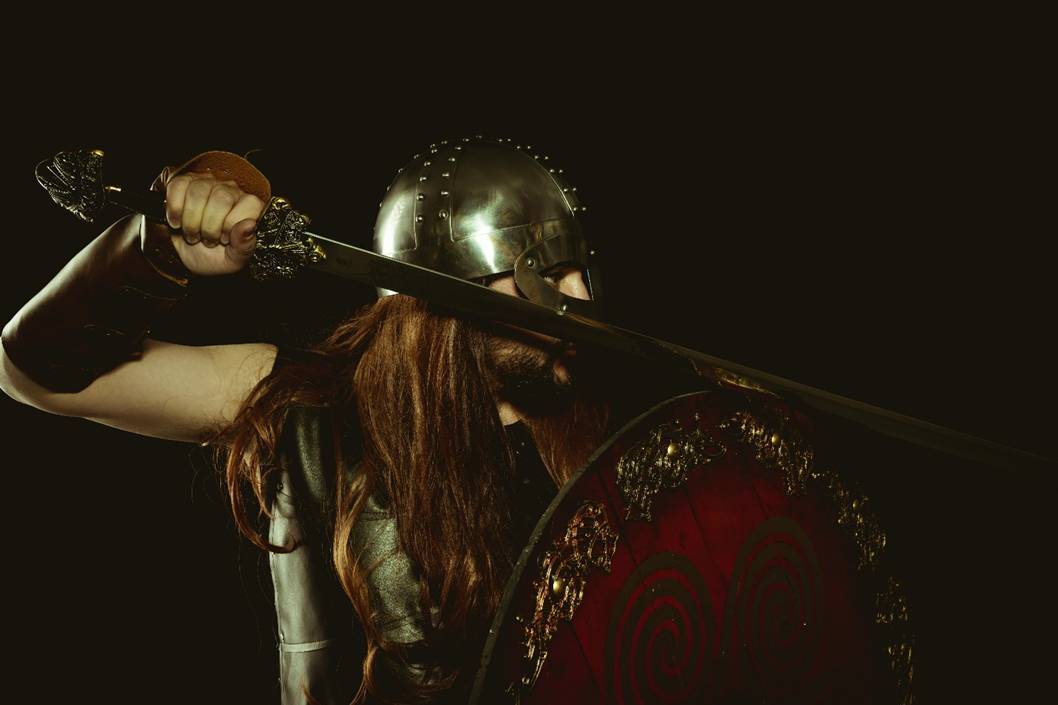
The Vikings were a formidable people, and they largely succeeded because of their mastery in various weapons. The Viking sword was as much a status symbol and weapon, and though most Viking warriors used spears and axes, it was the leaders and chieftains that made the sword iconic. But how did their combat technique reflect the use of the Viking sword? Viking swords did not emerge in isolation. Their shape, balance, and overall appearance were deeply shaped by how Vikings actually fought. Combat in the Viking Age was practical, fast, and brutally efficient. Battles were chaotic, often fought at close range, and usually involved shields as much as swords. Understanding Viking combat tactics helps explain why their swords look the way they do and why they differ so clearly from weapons used in other historical fighting styles.
Warfare Using Viking Swords
Viking warfare relied heavily on spears and axes for the ordinary warrior, but for those who wielded a sword, the sword-and-shield combination was much preferred. Shields were not passive walls but active tools. Fighters used them to deflect, bind, shove, trap, and create openings. This meant the sword needed to work seamlessly alongside the shield. Viking swords were therefore designed to be light enough for quick movements, yet sturdy enough to deliver decisive cuts in tight quarters. Their blades were typically broad and straight, optimized for powerful slashing rather than delicate thrusting. In a crowded shield wall or skirmish, wide cutting blows were far more reliable than precise point work.
The Effect of Technique on Sword Design
This tactical environment influenced grip length and hilt design. Viking sword grips were short by modern standards. This was not a flaw but a feature. A compact grip allowed better control when the shield occupied the off-hand and when movements needed to be economical. Fighters could strike from the wrist, elbow, or shoulder without overcommitting. The prominent pommel was not just decorative. It helped balance the blade and improved retention, making it harder for an opponent to knock the sword loose during close contact. The emphasis on balance is one of the defining traits of Viking swords. These were not heavy cleavers meant to overpower armor through sheer force. Instead, they were agile weapons that rewarded timing and positioning. Viking combat involved constant lateral movement, sidestepping rather than charging straight in. The sword had to respond quickly to changes in distance and angle. A well-balanced blade made it easier to recover after a strike and immediately defend or counterattack.
Sword and Shield, Viking Style
Shield use also shaped blade durability. Because shields were often used aggressively, swords frequently met wood, metal bosses, and other blades. Viking swords needed to withstand repeated impacts without failing. This explains their reputation for toughness and the careful forging techniques used to produce flexible yet resilient blades. A sword that chipped or snapped would be worse than useless in a fight where equipment failure could mean death.
Comparing Viking Sword Combat Style
When compared to other combat styles, the differences become even clearer. Later medieval European fencing systems, especially those that developed alongside full plate armor, placed far greater emphasis on thrusting, grappling, and half-sword techniques. Swords from those periods evolved narrower points, longer grips, and complex guards designed to protect the hand during close, technical exchanges. Viking swords lack these features because they were not meant for that context. Armor was lighter, shields were central, and fights favored cutting over precision stabbing.
In contrast, some Eastern combat traditions focused on fluid solo movement and unshielded swordplay. Weapons from those cultures often reflect an emphasis on continuous motion, draw cuts, and extended reach. Viking swords, by comparison, are compact, straightforward, and purpose-built for group combat. They reflect a battlefield reality where coordination, formation, and durability mattered more than individual flourish.
True Swords is Your Source for Viking Weaponry
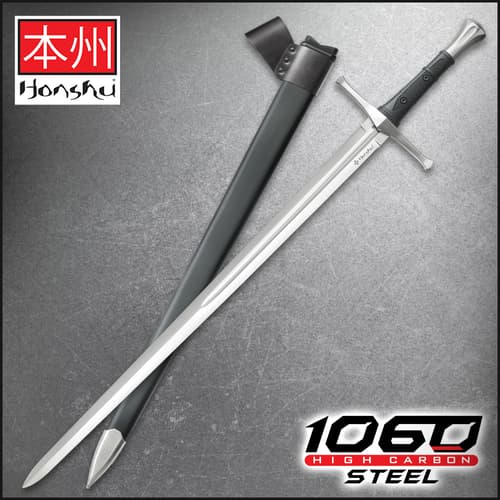
Modern enthusiasts are so drawn to Viking swords because of their durability and straightforwardness. And for collectors, reenactors, and fans of Norse history, authenticity matters, and True Swords offers all of that. We feature a Viking sword collection that reflects the core qualities that made these weapons effective. Their selection emphasizes historically inspired proportions, solid materials, and practical construction. High-carbon steel blades provide strength and edge retention, while properly weighted designs capture the balance that defined Viking-era swords. Leather-wrapped handles echo traditional grips and offer both comfort and control, whether the sword is used for practice or display.
styles that allow enthusiasts to choose pieces that match specific historical tastes or personal preferences. We also know that people love Viking swords for different reasons. Some buyers are historians at heart, looking for pieces that feel grounded in archaeological reality. Others are collectors who want visually striking swords that still respect historical form. Our collection accommodates all of these perspectives without feeling gimmicky. At True Swords, we know that Viking swords are compelling because they embody a fighting style that is adaptable, aggressive, and grounded in real-world survival. Their design reflects a deep relationship between weapon, shield, and movement. For anyone fascinated by Viking combat, history, or craftsmanship, our Viking sword collection offers a way to connect with a weapon shaped by one of the most formidable warrior cultures in history. Explore True Swords now and look for the weapon of your choice!