Parsing the Details and Features of a Real Samurai Sword
Parsing the Details and Features of a Real Samurai Sword
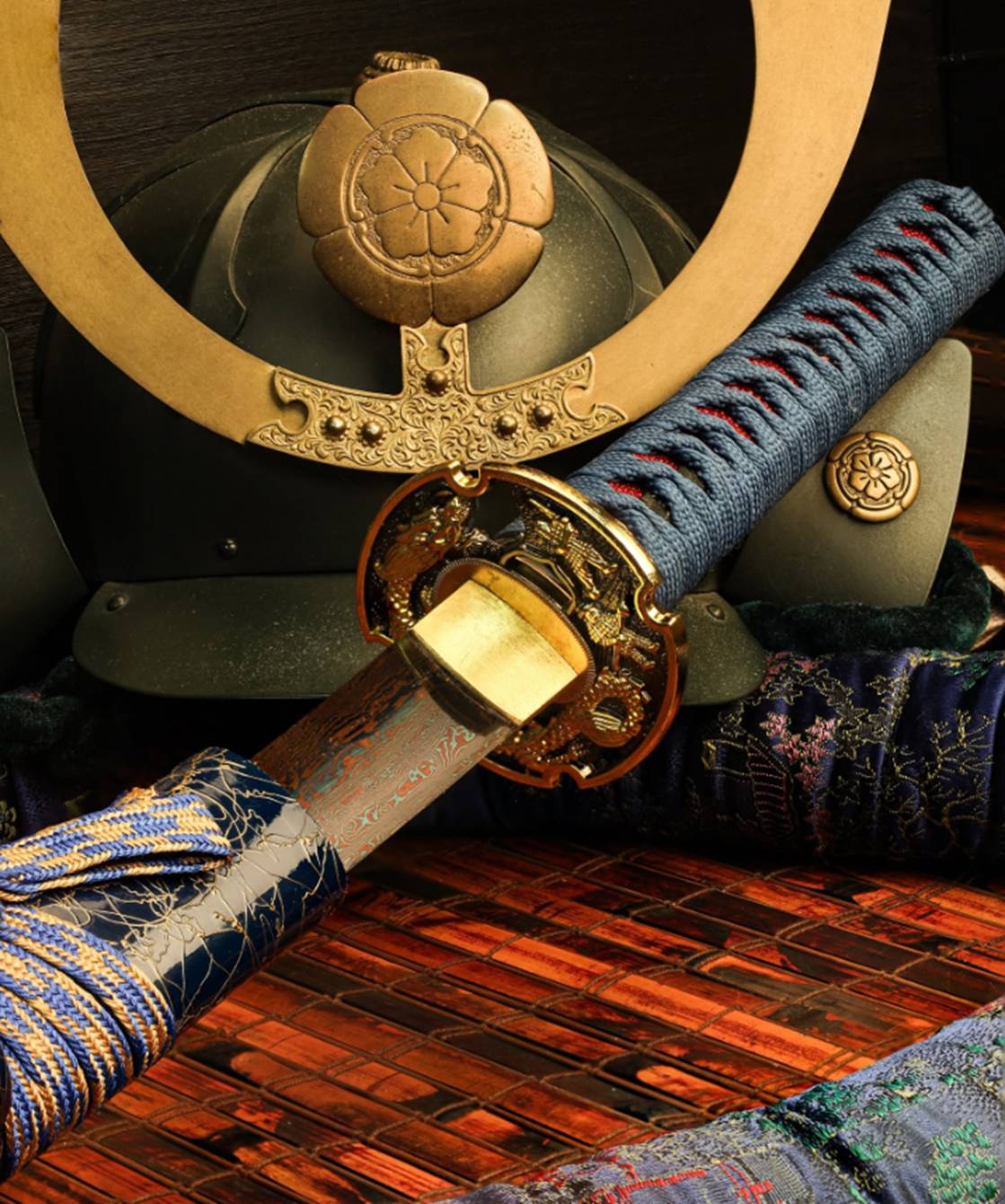
In this industry, we have a term to describe the wallhangers that litter the corners of the internet, which are not only not battle-ready, but which are not even made according to traditional processes. We call them “sword-shaped objects” and while they ostensibly look like real swords, cannot be used for anything more than display. Some of them are paltry even for that use case. This is true of both Western and Eastern swords, and a common question is “What really makes a real samurai sword?”, so let’s take a closer look at the details.
It’s Made with Tamahagane According to Traditional Practices
Real samurai swords are made with tamahagane, which is a special grade of steel produced from iron sand and made in a furnace called a tatara. But tamahagane isn’t just about what the steel is made from, it is also how the smiths work the steel. Japanese swordsmiths traditionally folded the steel numerous times when forging, removing impurities, improving the grain structure of the steel, and resulting in a finished sword that was not just physically tough, but which was able to withstand bending and stressing without taking a set or breaking.
The Blade Should Have a Noticeable Hada Pattern
Traditional Japanese swords , in this case, real samurai swords, also have a grain pattern that is known as a hada, which should be noticeable on closer inspection. You should be able to see the steel’s grain, which arises from how the steel is forged, arising from the folding and tempering.
It Has a Real Hamon Line Which Is the Result of Yaki-ire (Clay Tempering)
A real samurai sword, without exception, will have a cloudy, wavy margin, somewhere between the edge and the spine, resulting from a process called yaki-ire, also known as clay tempering. Clay tempering results in an edge that is much harder and a spine that is somewhat softer and therefore tougher. This gives the finished sword two key attributes: an edge that will last longer, and a core and spine that can be struck without shattering or snapping.
In other words you get a sword with a blade that is both tolerant of abuse but still hard enough to hold an edge. One thing to look for is an irregular hamon line, which may indicate that it was done the proper way. Modern, mass-produced copies of “samurai swords” often have a hamon that is etched onto the blade, which will look too perfect to be real.
The Tsuka Is Wrapped in Ray Skin and Silk
Traditionally, samurai swords had a tsuka, or hilt, that was wrapped with rayskin and silk cords. Modern copies may or may not, but they don’t always preserve this genuine attribute, even if they do so superficially.
It Has a Traditional Lacquered Saya
Traditionally, Japanese swords were paired with wooden scabbards known as saya, which were then lacquered. These scabbards may or may not have been beautifully decorated.
Hardware Components Should Be Brass or Copper
Fittings on a real samurai sword, such as the habaki, or blade collar, should be made with high-quality alloys like copper or brass, not light-gauge metals.
The Nakago Should Be Secured with a Mekugi
In western swords, the tang of the sword often runs through the hilt and is peened over the pommel by the smith. In a traditional Japanese sword, like a katana, the nakago, or tang, is secured in the tsuka, or hilt, with a small bamboo pin called a mekugi. It seems like it doesn’t result in a strong interface, but in fact it is not only marvellously strong, it enables the sword to be easily disassembled for cleaning and storage, unlike the case with Western swords, most of which cannot be disassembled at all. (We do sell traditional Japanese sword cleaning kits here, by the way. Take a closer look at our collection and get in touch with us if you have any questions).
A Note for Modern Buyers
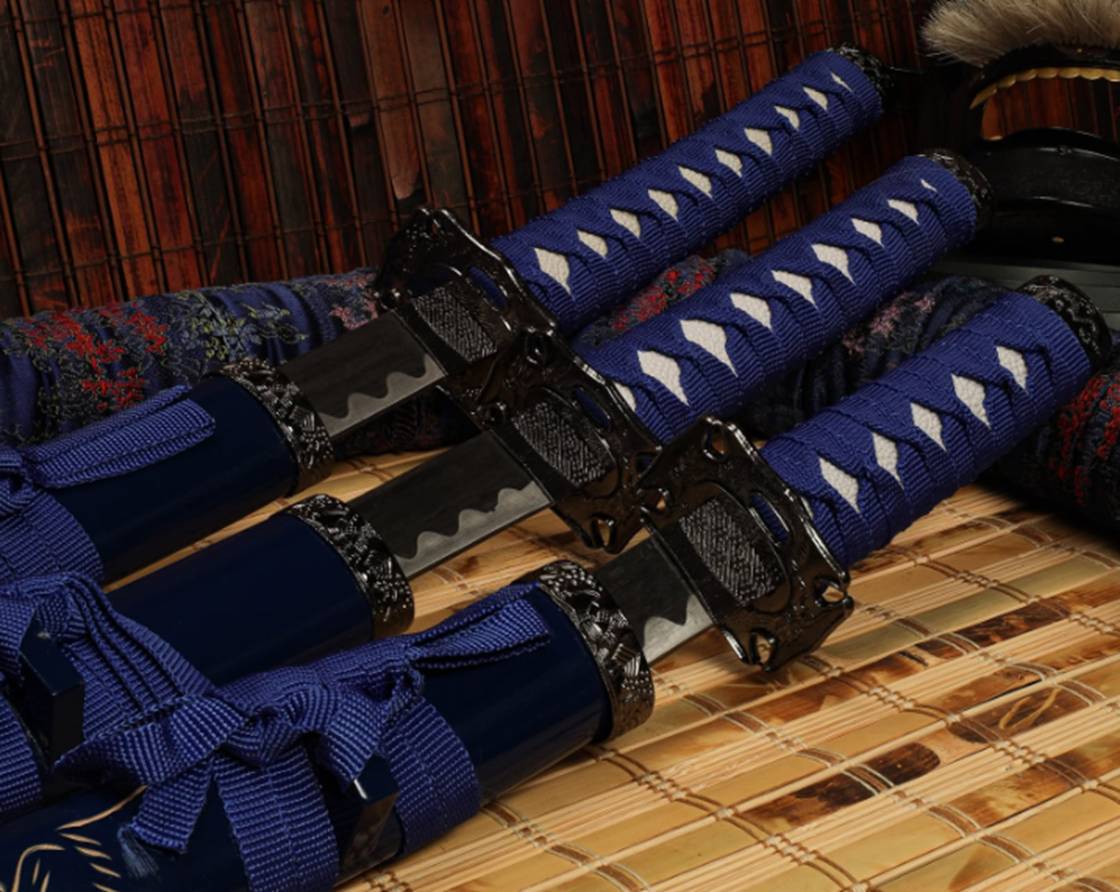
In the modern era, even if a Japanese sword is not made from tamahagane, if it is made from a suitable steel alloy, the steel is properly forged and tempered, and the tang is properly secured in the hilt with a tsuka, even if the resulting sword is not “real” in a historical sense, it is still a “real” samurai sword in the sense that it can be used for live cutting practice or martial arts. If you have any questions about which of our Japanese patterns are battle-ready swords and which aren’t, get in touch with us and we will be happy to help.
Explore Battle-Ready Samurai Swords and More
Interested in learning more about traditional Japanese swords? Check out our collection here to find something for you and if you have any questions contact us.