Shillelagh: More Than an Irish Icon
Shillelagh: More Than an Irish Icon
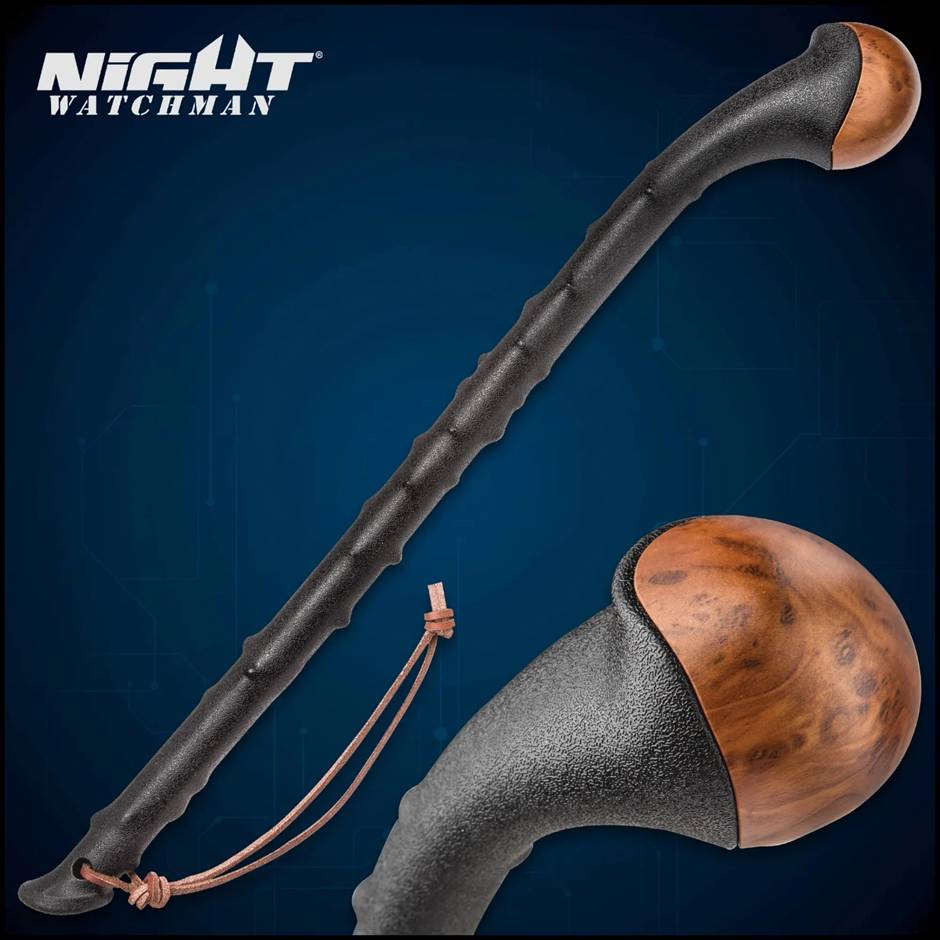
The shillelagh is often seen today as a symbol of Irish heritage, something decorative or even playful. But behind that image lies a serious martial tradition with deep historical roots. Irish stick fighting, sometimes called bataireacht, developed over centuries as both a method of self-defense and a structured combat system. When used by someone trained in its techniques, this walking stick becomes far more than a walking stick. It turns into a fast, adaptable, and potentially devastating weapon.
How the Ancient Irish Used the Shillelagh
Irish stick fighting did not emerge in a vacuum. It grew out of a culture where conflict, both organized and spontaneous, was a part of life. In rural communities, disputes between families or groups could escalate quickly, and people relied on what they had at hand. Sticks were common tools, easy to carry and socially acceptable. These everyday objects evolved into weapons, and the methods of using them became more refined. What may have started as rough brawling gradually developed into a system with its own strategies, footwork, and techniques. The shillelagh itself is a specialized form of stick, traditionally made from hardwood such as blackthorn. Its design is simple but effective. One end is often thicker, forming a natural knob that can deliver heavy blows.
In some cases, this end was made even heavier to increase striking power. The shaft is sturdy but not overly long, allowing for both reach and control. This combination makes it ideal for quick, forceful movements, especially when wielded by someone who understands how to generate power through timing and body mechanics. A key aspect of Irish stick fighting is how the weapon is held and used. Unlike some martial arts that rely on long staffs or swords, this style often involves gripping the stick in a way that allows both one-handed and two-handed techniques. Fighters learn to shift between ranges, using longer strikes to keep opponents at bay and shorter, tighter movements when the distance closes. This flexibility is one reason the shillelagh is so effective. It adapts to the situation rather than forcing the user into a single style of engagement.
Another important element is footwork. Practitioners are trained to move constantly, stepping in and out of range to control the flow of the fight. Distance is everything. Staying too far away reduces the effectiveness of attacks, while getting too close without control can be dangerous. Skilled fighters learn to close the gap at the right moment, delivering strikes before the opponent can react. This emphasis on movement makes the art dynamic and unpredictable, which adds to its effectiveness in real encounters. Defense in Irish stick fighting is closely tied to offense. Instead of simply blocking and waiting, practitioners often counterattack immediately. A strike might be deflected and followed by a rapid return blow, targeting vulnerable areas such as the hands, arms, or legs. This approach keeps pressure on the opponent and reduces their ability to recover. It also reflects the practical nature of the art, where hesitation could mean losing the advantage.
A Dangerous Weapon in Skilled Hands
The shillelagh is particularly dangerous because of the way it concentrates force. Even a moderate swing can cause serious injury, especially when aimed at joints or the head. The rounded end increases impact, making strikes more effective without requiring excessive strength. In trained hands, this means that speed and precision matter more than brute force. A well-placed hit can disable an opponent quickly, which is why the weapon earned a reputation for being formidable. Historically, there were also creative uses of the walking stick that went beyond simple striking. Techniques included hooking, trapping, and even throwing the stick in certain situations. Fighters might use feints or distractions to create openings, relying on timing rather than raw aggression. Some methods even incorporated elements similar to boxing, blending hand strikes with stick techniques. This combination made the art versatile and suited to a wide range of encounters, from one-on-one fights to chaotic group clashes.
Why a Walking Stick?
During periods when carrying arms was restricted, people adapted by making their weapons appear harmless. The walking stick became the perfect solution. It could be carried openly without suspicion while still serving as a means of protection. In modern times, Irish stick fighting has experienced a revival. Martial artists are rediscovering its techniques and appreciating its practicality. Unlike some traditional weapons that are difficult to obtain or train with, a stick is easy to find and relatively safe to practice with when proper precautions are taken.
True Swords Offers Walking Sticks For Ceremony, Display, and More
The enduring reputation of the shillelagh comes from this blend of simplicity and effectiveness. It may look like an ordinary stick, but in skilled hands it becomes a precise and powerful instrument. The art built around it shows how much can be achieved with minimal tools and a deep understanding of movement, timing, and intent. At True Swords, the legacy of the shillelagh continues, get one now for your martial arts practice or simply as a self-defense tool.