Spring Steel Katana: Ideal Metal for the Modern Sword
Spring Steel Katana: Ideal Metal for the Modern Sword
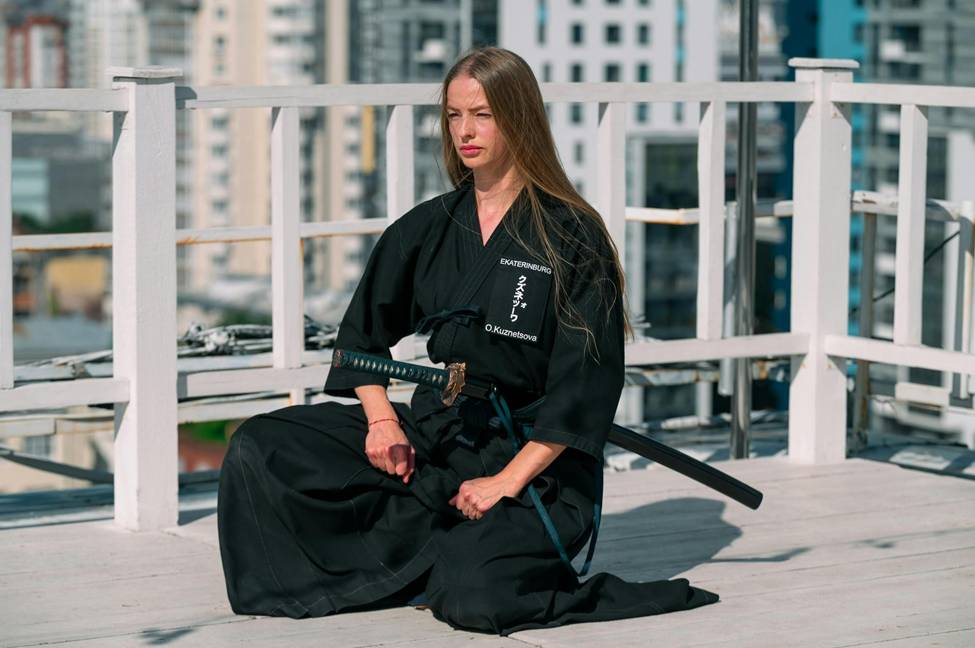
A spring steel katana has earned a reputation as a reliable, no-nonsense sword. It’s often the go-to choice for people who want something they can actually use, not just hang on a wall. But is it the perfect material for a katana? That really depends on what matters most to you. Some people care about tradition and historical accuracy. Others just want a blade that performs well and can take a bit of abuse without failing.
Defining Spring Steel
To make sense of that question, it helps to start with what spring steel actually is. In simple terms, it’s a type of steel designed to bend and snap back into shape instead of staying bent or breaking. That ability comes from how it’s made. The mix of elements inside the steel, along with the way it’s heated and cooled during production, gives it a balance of strength and flexibility. One of the most commonly used versions in blades is known as 5160. It contains enough carbon to make it hard and capable of holding an edge, along with other elements that improve its durability. The result is a steel that can handle stress without becoming brittle. That balance is what makes spring steel stand out. It doesn’t just resist damage, it recovers from it. That quality is especially useful in a katana. These swords are long and relatively thin, which means they naturally experience stress during use. Even a well-made blade can flex slightly when cutting. If the steel is too hard, it may chip. If it’s too soft, it may bend and stay that way. Spring steel sits right in the middle. It allows a bit of movement but returns to its original shape, which can be a huge advantage.
Spring Steel vs Traditional Materials
When you compare spring steel to traditional katana materials, the contrast becomes clear. Historically, Japanese swordsmiths used techniques that combined different types of steel in one blade. This created a hard cutting edge supported by a softer, shock-absorbing spine. It was a clever solution to the limitations of older materials and technology. Modern spring steel takes a different approach. Instead of layering metals, it relies on carefully engineered alloys and heat treatment to achieve a similar effect. The result is more consistent from blade to blade. While it may not carry the same historical significance, it offers dependable performance that’s easier to reproduce on a larger scale. If you’re trying to judge the quality of a spring steel katana, one of the first things to look at is hardness. This is usually measured on a scale that tells you how resistant the steel is to deformation. Good spring steel blades tend to fall in a middle range. That’s where they can stay sharp enough for cutting while still keeping their flexibility. Some spring steel katanas are treated in a way that creates a harder edge and a softer spine, similar to traditional blades. Others are hardened evenly throughout. Both approaches can work well if executed properly. What matters most is consistency. A blade that performs the same way from tip to tang is always preferable.
A Spring Steel Katana’s Strengths
Learning to handle a sword involves mistakes, and for beginners, this can be a big deal. Angles can be off, cuts can land incorrectly, and the blade might meet resistance in ways you didn’t expect. A more delicate material might not forgive those errors. A spring steel blade, on the other hand, is more tolerant. It gives you a margin for error, which makes training less stressful and a lot safer. Another strength of spring steel is its toughness. This doesn’t mean it’s the hardest steel out there. Instead, it means it can absorb impact without cracking. If you’re cutting practice targets like bamboo or rolled mats, that toughness matters. The blade can take repeated use without developing chips or fractures. It may not stay razor-sharp as long as some harder steels, but it’s far less likely to fail in a serious way. However, not all spring steel is exactly the same. It’s more like a family of materials than a single type. Alongside 5160, you’ll often hear about 9260 and 6150. Each one has its own strengths. Some are a bit more flexible, others a bit more resistant to wear. The differences aren’t huge, but they can matter depending on how you plan to use the sword. For example, a steel with more flexibility might be ideal if you’re worried about bending during practice. Another type might offer slightly better edge retention if you’re focused on cutting performance. There’s no universal “best” option. It’s more about matching the material to your needs.
An Understated Appearance
In terms of appearance, spring steel katanas tend to be more understated. They often lack the dramatic visual features seen in traditionally made swords, such as a pronounced temper line. Instead, they have a cleaner, more uniform look. That doesn’t mean they’re plain. High-quality examples can still be beautifully finished, with polished surfaces and detailed fittings. The difference is that the focus is more on function than tradition. And like most high-performance steels, spring steel is not resistant to rust. It needs regular care to stay in good condition. That usually means keeping it clean, dry, and lightly oiled. It’s a simple routine, but it makes a big difference over time. Neglect it, and even the best blade will suffer. When you stack spring steel up against other materials, you start to see where it fits. Some steels can hold a sharper edge for longer, but they may be more fragile. Others are highly resistant to corrosion but lack the same toughness. Traditional materials offer unmatched authenticity but require skilled craftsmanship and careful handling. Spring steel sits comfortably in the middle, offering a mix of durability, performance, and affordability.
Get a Katana Made of Spring Steel at True Swords
So, is it ideal? For some people, absolutely. If your goal is to own a sword you can actually use without constantly worrying about damaging it, it’s a strong choice. If you’re more interested in history and traditional methods, it might not fully satisfy that interest. And at True Swords, we know that the appeal of a spring steel katana comes down to practicality. It’s a sword you can train with, learn from, and depend on. And for many people, that makes the spring steel katana one of the most sensible and rewarding options available today. Get yours now at True Swords!