Rapiers

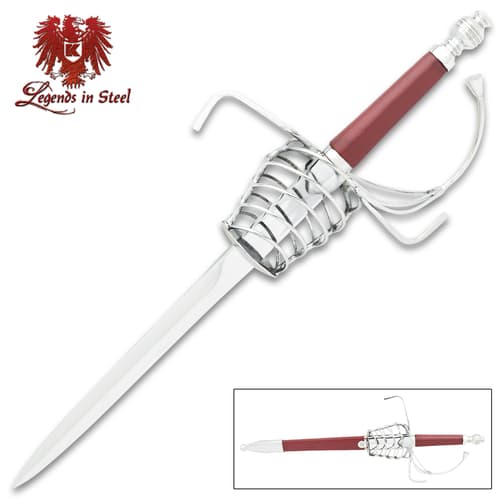
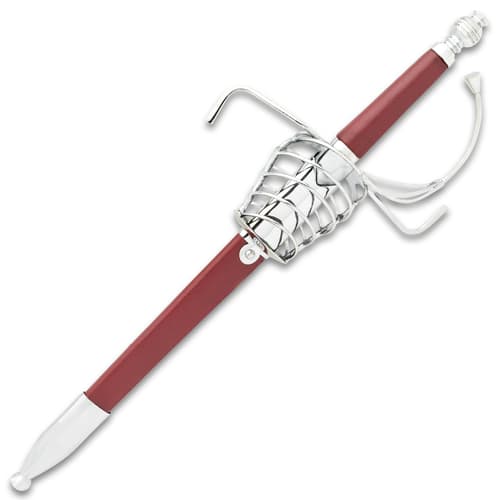
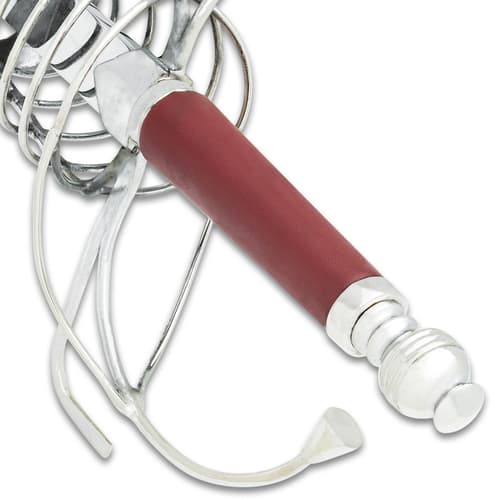
Step into the world of refined craftsmanship with the collection of rapiers at TrueSwords.com. Known for their slender blades and intricate hilts, rapiers are a symbol of finesse, precision, and sophistication. These elegant pieces capture the artistry and balance that made them iconic during the Renaissance period. Featuring the Black Middle Ages Rapier Sword, the Legends In Steel Combat Rapier and the Legends In Steel Mini Guard Rapier, each rapier in our collection features a long, narrow blade designed for finesse and control. The intricately designed guards and handles provide a comfortable, secure grip, enhancing the overall experience of handling these beautiful pieces. Explore the collection of rapiers at TrueSwords.com and add a touch of historical elegance to your collection.
RAPIER FAQS
- What defines a rapier sword?
A rapier is known for its slender, long blade and ornate hilt. It was primarily used during the Renaissance for thrusting and fencing. A rapier sword’s blade is not designed to sustain long slashes, but rather thrusts and lunges. The “basket hilt” is designed to protect a wielder’s hands while in combat. Its design focuses on precision and elegance, distinguishing it from heavier swords used in combat. Allegedly, the name rapier derives from a Spanish word, “espada ropera,” for “dress sword. - How is a rapier sword intended to be used?
A rapier’s long, thin blade is designed for a very special type of swordplay that focuses on speed, precision, and long lunges and thrusts, taking advantage of the blade’s needle point and thin blade. Rapiers are not intended to be used for parrying, and indeed, oftentimes they were carried alongside bucklers (a small type of shield) or smaller daggers to be used for parrying an opponent’s blade. These smaller daggers were sometimes called “parrying daggers” or “main gauche,” and wielded in the user’s non-dominant hand. - What materials are used to make rapiers?
Rapiers are typically made with high-carbon steel or stainless steel blades for durability and sharpness. The hilt and guard often feature materials like brass, steel, or leather for a combination of strength and intricate design. - Are rapiers functional or decorative?
TrueSwords.com offers both functional and decorative rapiers. Functional rapiers are designed for fencing, reenactments, or stage performances, while decorative rapiers are perfect for display. Check the product details to determine the intended use. - What maintenance is required for a rapier?
To maintain a rapier, regularly clean the blade with a soft cloth, apply a light coat of oil to prevent rust, and store it in a dry environment. Proper care will keep the rapier in excellent condition over time.