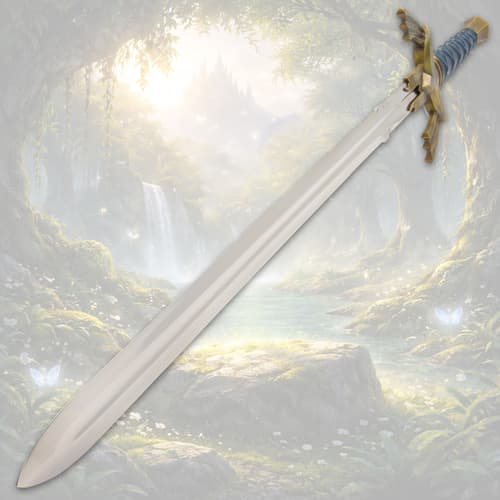
The Seax Sword: Daily Tool or Weapon of War?
The Seax Sword: Daily Tool or Weapon of War?
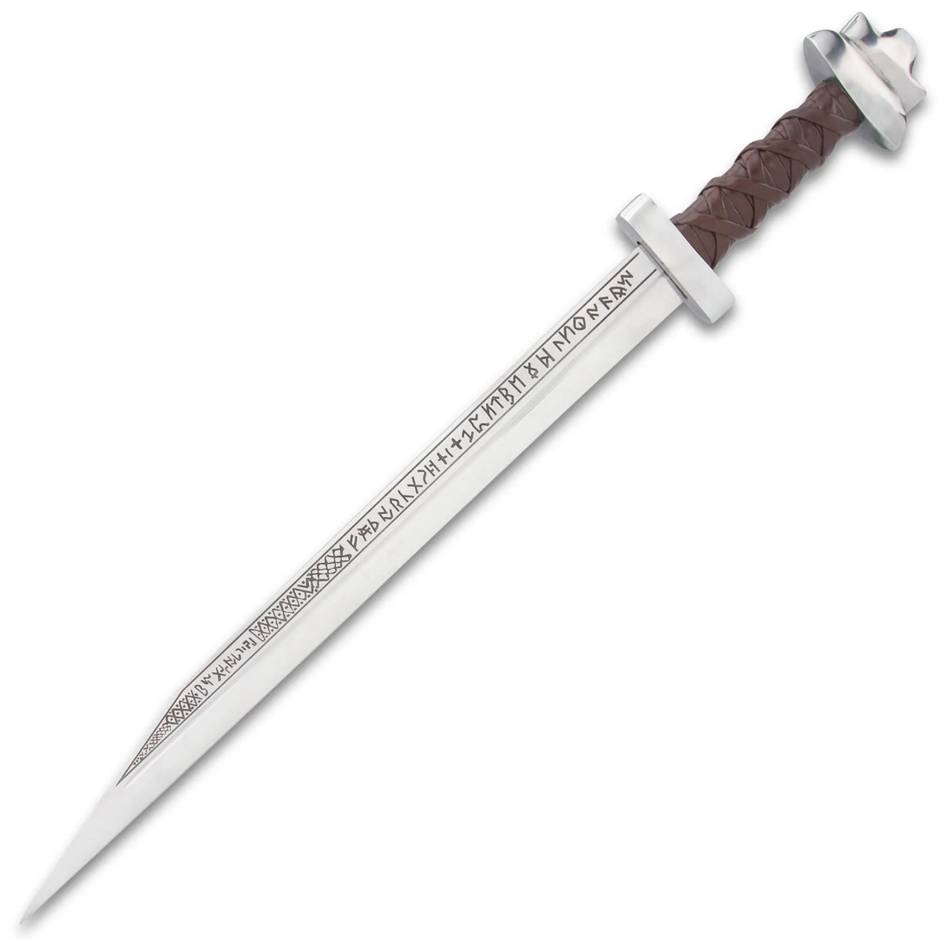
The Viking or seax sword holds a unique place in Viking and early medieval life because it was never just one thing. It functioned as both a daily tool and a deadly weapon, shaped by a world where survival, mobility, and violence were tightly woven together. In an era marked by the collapse of centralized Roman control and the rise of small-scale raids and territorial conflicts, people needed equipment that was practical, affordable, and effective. The seax sword answered all three needs.
A Tool Born From Necessity
Iron was valuable in the early medieval period. Full-length swords were expensive and usually reserved for elites. Most people relied on simpler weapons and tools that could serve more than one purpose. The seax emerged from this reality as a single-edged blade that could be worn at the belt and used constantly. In daily life, it handled tasks like cutting rope, preparing food, shaping wood, dressing game, or splitting kindling. Its stout blade and straightforward construction made it durable enough for rough work without constant maintenance. This everyday usefulness is one reason the seax became so widespread across Norse and Saxon cultures. It was always within reach, whether someone was farming, traveling, or sailing. Much like a modern multitool, it solved small problems throughout the day while still being ready for emergencies.
A Weapon for Close-Quarters Combat
When violence broke out, the same blade could become a fearsome weapon. Viking-era combat was often fast, chaotic, and brutal, especially during coastal raids and village skirmishes. The seax excelled in these conditions. Its relatively short length and light weight made it quick in the hand and easy to control in tight spaces like boats, doorways, or clustered shield walls. Unlike longer swords designed for sweeping cuts or formal duels, the seax favored decisive chopping strikes at close range. The blade’s width gave each blow real force, even without great length.
While it could thrust, its design encouraged cutting attacks rather than extended stabs, especially since many examples lacked a cross guard. This absence reduced hand protection but also kept the weapon compact and agile. Some larger variants, often associated with dedicated combat use, pushed the design further. These longer seax swords leaned more toward battlefield roles while still retaining the blade’s essential simplicity.
Design Features That Made the Seax Sword Effective
Several features defined the seax and made it both practical and dangerous. The single-edged blade simplified sharpening and concentrated strength behind each cut. Many blades featured a sudden change in spine angle near the tip, creating a shape that balanced chopping power with improved penetration. Handles were typically straightforward but functional. Oval grips made of wood fit naturally in the hand and reduce twisting during strikes. Some had horn elements near the blade for added durability, while more elaborate versions used full horn grips as a sign of status. The overall balance of the seax made it feel purposeful. It was not decorative excess. Everything about it suggested utility first, with effectiveness as a weapon emerging naturally from that utility.
A Cultural Icon and Status Symbol
Soon the seax became deeply embedded in Norse and Saxon identity. Carrying one signaled readiness and self-reliance. While not as prestigious as a full sword, a well-made seax still showed that its owner had means and taste. It was personal, worn daily, and shaped by use. For centuries, it remained a staple item, bridging the gap between civilian life and violence.
Modern Replicas and Historical Fidelity
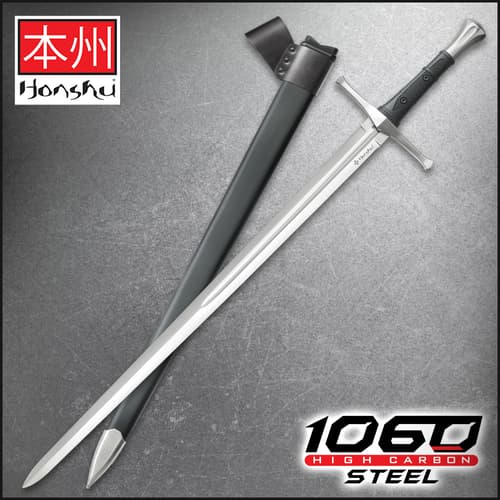
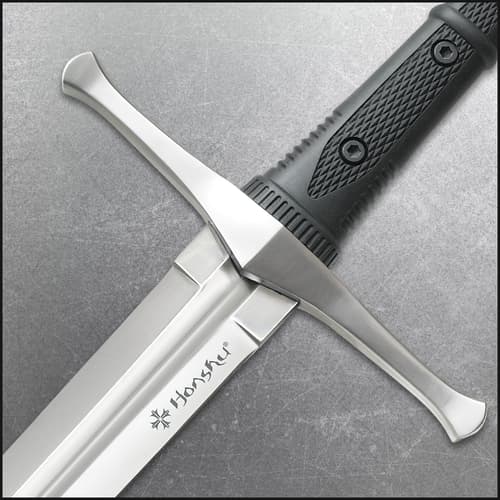
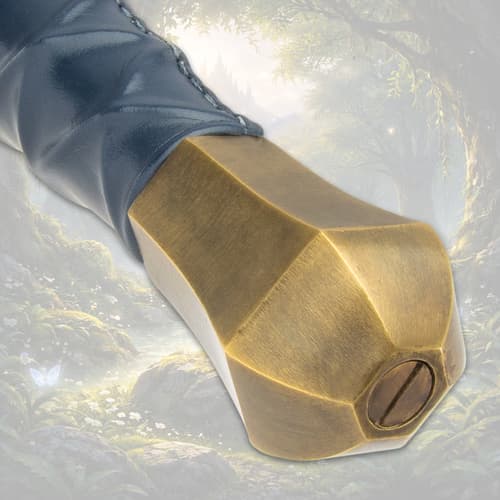
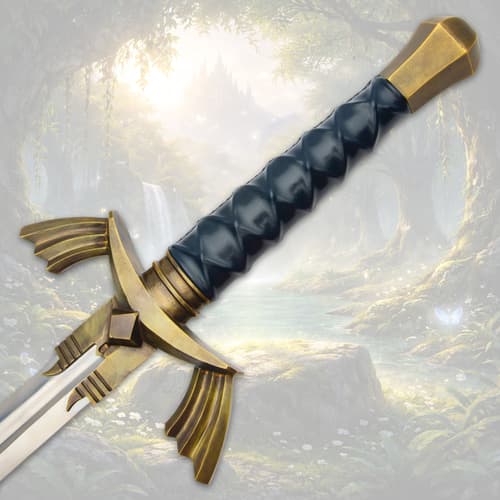
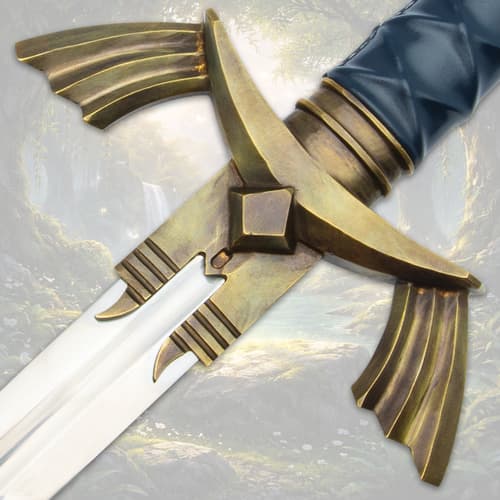
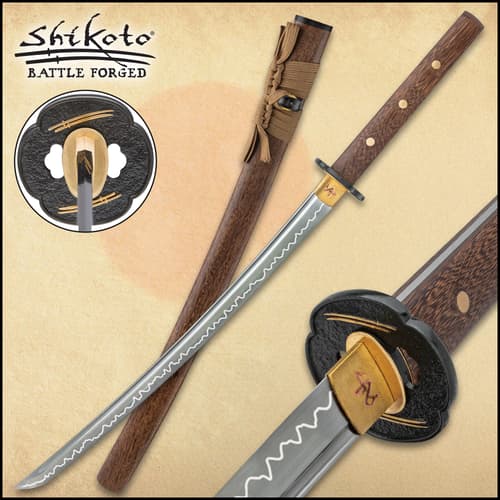
Modern replicas aim to capture the balance, proportions, and character that made ancient seaxes effective. Good reproductions focus on proper blade geometry, weight, and materials rather than exaggerated fantasy styling. High-carbon steel is commonly used to replicate the cutting ability and toughness of historical blades. Grips are shaped for comfort and control, often using wood and horn to mirror period construction. What collectors value most is how these replicas feel. A well-made seax should feel lively in the hand, not clumsy or overly heavy. When modern makers get this right, the blade communicates why it worked so well historically.
Why Collectors Choose True Swords for Seax Blades
Collectors and weapon enthusiasts turn to True Swords for seax swords because the selection balances authenticity, craftsmanship, and accessibility. We offer pieces inspired by historical Viking and Saxon designs without sacrificing build quality. The blades are also crafted from durable materials, designed to reflect the functional nature of the originals rather than just their appearance. For collectors, this matters. A seax should look correct, but it should also convey the practical power that defined the weapon. True Swords delivers replicas that feel purposeful, whether displayed as part of a historical collection or handled to appreciate balance and construction.
A Blade That Still Speaks to the Modern World
The seax endures because it represents a way of life where tools and weapons were inseparable. It was about readiness, adaptability, and survival. Modern replicas keep that legacy alive, and for collectors who value history with substance, the seax sword remains one of the most compelling blades of the Viking age. Get a replica now here at True Swords and complete your Viking Sword Collection!