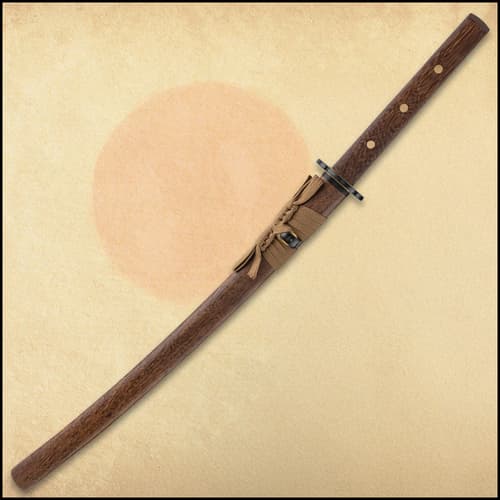
Wakizashi Katana: The Samurai’s Second Sword Takes Center Stage
Wakizashi Katana: The Samurai’s Second Sword Takes Center Stage
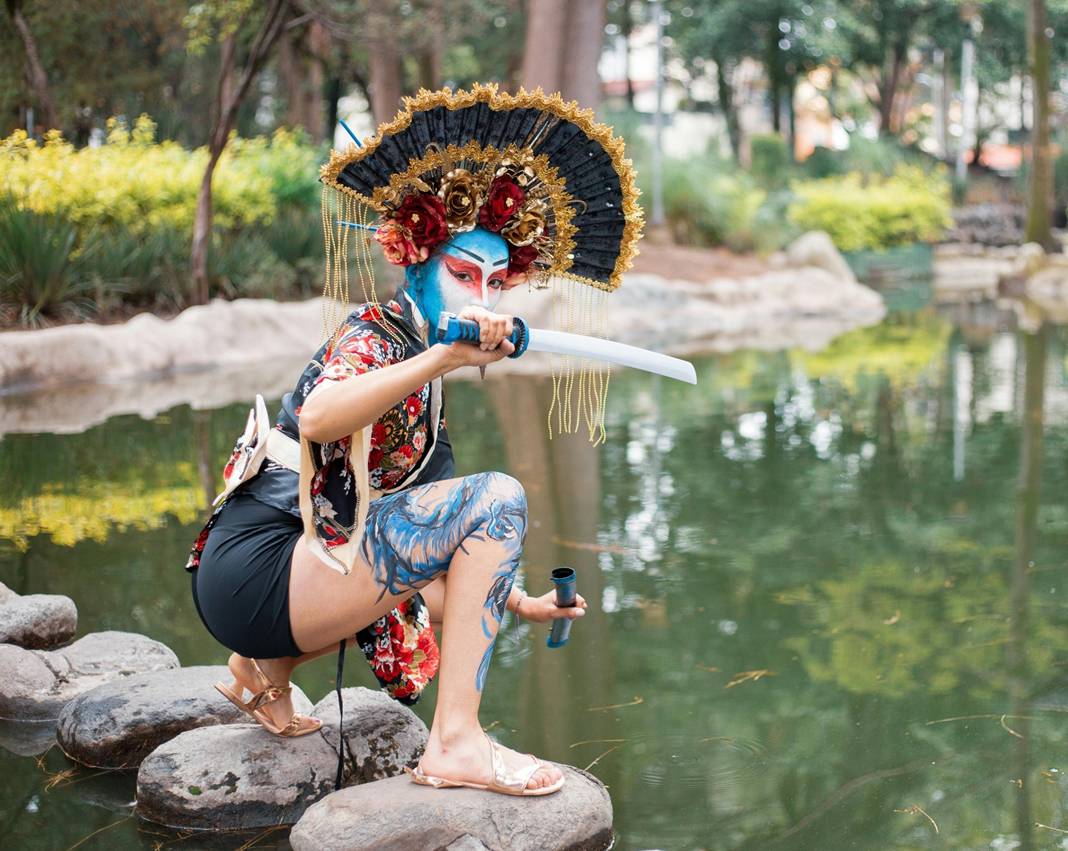
If you know your Japanese history, you know that samurai carry two swords. A proper samurai sword, and a shorter, secondary one, the wakizashi katana. This blade holds a unique place in Japanese sword culture, bridging practicality, tradition, and modern fascination. Once carried as a companion blade by samurai, it has evolved into a highly sought-after piece among collectors and martial artists. Its appeal lies not only in its historical role but also in its size, versatility, and symbolism. Today, it represents a balance between function and artistry, making it accessible to enthusiasts who may find larger swords less practical to own or train with.
Why the Wakizashi is Popular Today
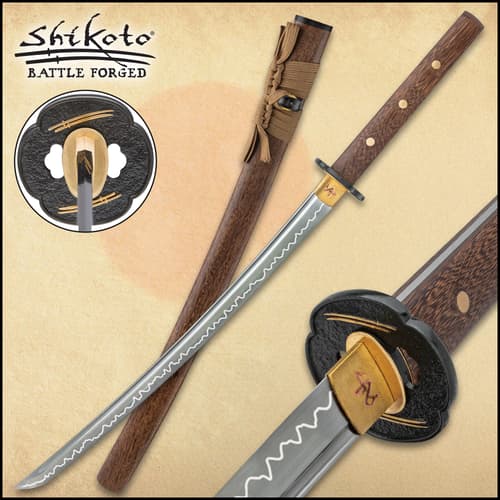
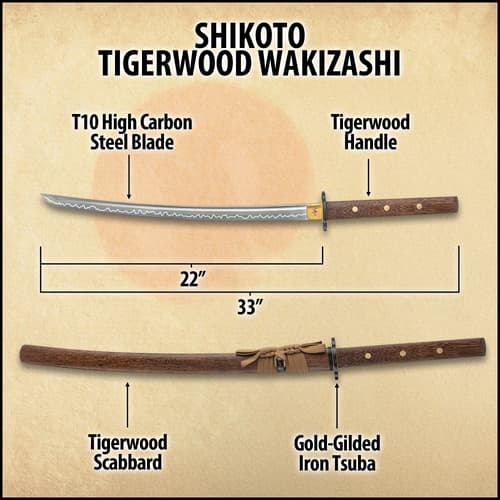
To understand its popularity, it helps to first clarify what distinguishes a wakizashi from a full-length katana. The most obvious difference is size. A wakizashi has a shorter blade, generally falling between small daggers and standard swords, while a katana is significantly longer and designed as the primary weapon for open combat. This difference in length affects more than just appearance. The katana’s longer blade creates a deeper curve, which enhances its cutting power and reach. In contrast, the wakizashi’s shorter and slightly straighter form makes it quicker to handle and easier to control, especially in tight spaces.
Historically, samurai often carried both swords together as part of a paired set. This combination symbolized status and identity, marking the wearer as a member of the warrior class. The longer blade served as the main weapon in battle, while the shorter one acted as a reliable secondary option. Soon, this pairing became formalized, and wearing both blades became a defining feature of samurai culture. The wakizashi was now an indispensable part of a samurai's weaponry.
A Practical Blade
One reason for its widespread use was practicality. In the chaos of combat, weapons could break or become unusable. The wakizashi provided a backup that could be drawn quickly when needed. Because of its size, it was also more effective in environments where a long sword would be cumbersome. Fighting indoors, moving through narrow paths, or engaging in close quarters all favored a shorter blade. This made it a versatile tool that complemented the strengths of the katana rather than replacing it.
The wakizashi also played an important role in daily life beyond the battlefield. Social customs often required warriors to leave their longer swords at the entrance when entering buildings. In these situations, the shorter blade remained at their side, ensuring they were never completely unarmed. This constant presence made it a practical means of personal defense. If a sudden conflict arose, the wakizashi was often the only weapon immediately available, and techniques were developed specifically for such scenarios.
A Ceremonial Tool
In addition to its functional uses, the wakizashi carried symbolic and ceremonial significance. It was sometimes used in formal settings where the katana was inappropriate or restricted. Its presence signaled readiness and loyalty, especially in situations where a samurai might need to act quickly to protect their lord. The blade also appeared in rituals and cultural practices, further embedding it into the social fabric of the time.
The Wakizashi Katana in the Hands of the Greatest Swordsmen
The popularity of the sword became more prominent in the hands of swordsmen such as Miyamoto Musashi and Tsukahara Bokuden. Soon some practitioners developed techniques that used both swords simultaneously, creating a distinctive style of combat unique to those who handled the wakizashi. These methods demonstrated that the shorter blade was not merely a backup but could be used offensively and strategically. Techniques included close-range strikes, defensive maneuvers, and even unconventional tactics that took advantage of the blade’s speed and agility. This versatility continues to attract martial artists who appreciate the depth and complexity of traditional swordsmanship.
True Swords Helps the Wakizashi Find a New Audience
In modern times, the wakizashi has found a new audience. Collectors are drawn to its historical significance and craftsmanship. Many surviving examples are finely made, reflecting the skill of the swordsmiths who produced them. Because they are smaller than full-length swords, they are often more accessible in terms of cost and storage. This makes them an appealing entry point for those interested in Japanese blades. Martial artists also value the wakizashi for its training potential. Its size allows for safer practice in confined spaces, and it encourages precision and control. Practitioners of traditional disciplines often include it in their study to better understand historical techniques and strategies.
Today, the wakizashi continues to bridge past and present. It is a tangible link that offers a unique combination of practicality and cultural depth, and highlights the adaptability and ingenuity of those who used it. True Swords understands the enduring appeal of the wakizashi katana comes from its ability to fulfill multiple roles. For collectors and martial artists, it stands as a respected artifact and a functional training weapon. Find a wakizashi katana from our online store so you can revel in the glory and history of the samurai’s secondary weapon!